
Introduction
Acoustic ceilings, often referred to as popcorn ceilings, were a popular design choice in the mid-20th century. However, many homeowners today are opting for their removal due to aesthetic preferences and potential health concerns. When considering acoustic ceiling removal, it’s essential to explore different methods to ensure a smooth and efficient process. Additionally, understanding how water damage restoration ties into ceiling maintenance can be beneficial in avoiding future issues.
Methods of Acoustic Ceiling Removal
There are several methods available for removing acoustic ceilings, each with its own set of tools and techniques. The choice depends on factors such as the ceiling’s condition and the homeowner’s comfort level with DIY projects.
1. Scraping: This is the most common method and involves wetting the ceiling with water to loosen the texture before scraping it off with a putty knife or ceiling scraper. Wetting the ceiling minimizes dust and makes the process more manageable. However, if the ceiling has been painted, the water may not penetrate easily, making scraping more challenging.
2. Chemical Removal: For ceilings that are hard to scrape due to layers of paint, a chemical remover can be used. This involves applying a solution that breaks down the texture, making it easier to remove. While effective, this method requires careful handling of chemicals.
3. Covering: Instead of removing the texture, some homeowners choose to cover it with new drywall or wooden planks. This method is less messy and can be quicker, but it may slightly lower the ceiling height.
Water Damage Restoration Considerations
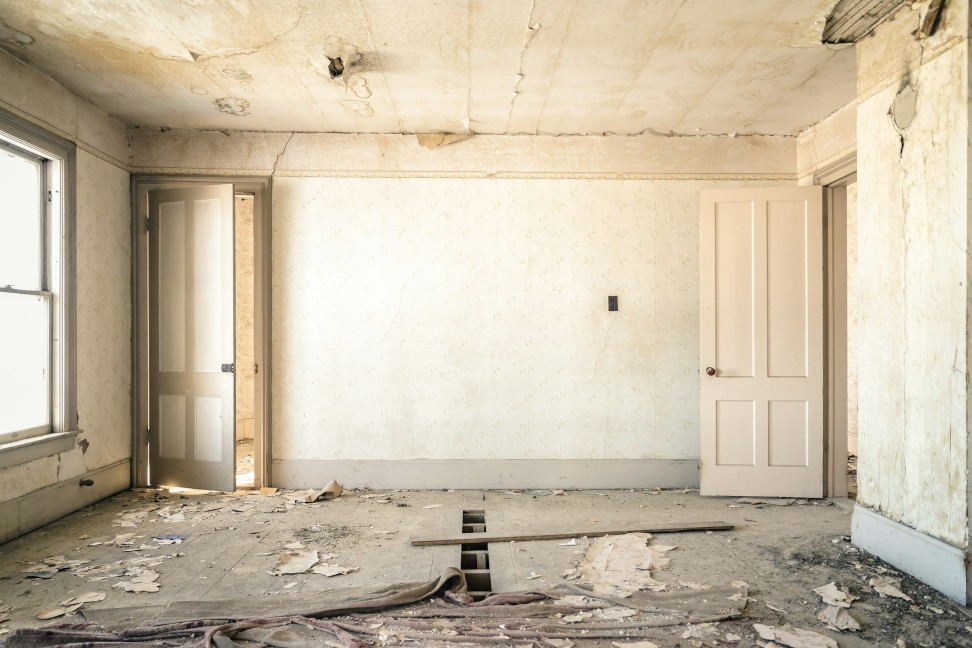
During the acoustic ceiling removal process, it’s crucial to assess any signs of water damage. Water damage restoration becomes essential if there are stains or damp patches, which could indicate a leaky roof or plumbing issues. Addressing these problems before or during ceiling removal ensures that the new ceiling remains in good condition.
Water damage restoration typically involves identifying the source of the leak, repairing it, and then treating any affected areas to prevent mold growth. Proper restoration not only preserves the integrity of the new ceiling but also improves indoor air quality and prevents further structural damage.
Conclusion
Exploring different methods of acoustic ceiling removal allows homeowners to choose the best approach for their specific needs. Whether opting for scraping, chemical removal, or covering, it’s important to consider the condition of the ceiling and any potential water damage. Integrating water damage restoration into the process ensures that the new ceiling will be both functional and aesthetically pleasing for years to come. By carefully planning and executing these methods, homeowners can transform their living spaces effectively and safely.
——————-
Discover more on water damage restoration contact us anytime:
AC Interiors Drywall & Acoustic Ceiling Removal
https://www.acinteriorsinc.com/
Step into the world of luxury interior design with AC Interiors Inc. Our team of talented designers and decorators will transform your space into a breathtaking masterpiece. Visit our website to see our portfolio and schedule a consultation today. Your dream home awaits!
