
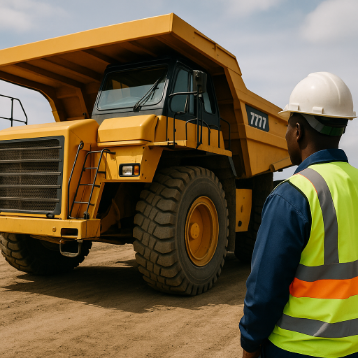
For anyone considering a career in heavy equipment operation, 7777 Dump truck training in limpopo is more than a simple skills course. It is a practical step into a demanding environment where safety, machine control, site awareness, and disciplined operating habits matter every day. Whether your goal is to improve employability, formalise existing experience, or prepare for work on construction and industrial sites, the value of proper training lies in building real competence rather than collecting paperwork.
What 7777 Dump Truck Training in Limpopo Should Cover
A strong dump truck training course should balance classroom learning with supervised practical work. The theory component usually introduces the machine, its core systems, operating principles, safety procedures, and basic workplace responsibilities. This matters because dump truck operators are expected to understand not only how to move a machine, but how to do so safely in changing site conditions.
Practical training should move beyond basic driving. Operators need to develop confidence in machine checks, controlled movement, loading and hauling awareness, reversing discipline, dumping procedures, parking, shutdown routines, and hazard recognition. In real working environments, operators often function as part of a coordinated site team, so communication and compliance are just as important as machine handling.
- Pre-start inspections to identify visible faults and report issues correctly
- Basic controls and instrumentation so the operator can read and respond to the machine properly
- Safe start-up and shutdown procedures that protect both the operator and the equipment
- Travel, turning, reversing, and stopping techniques suited to heavy equipment conditions
- Load handling awareness to reduce instability and unsafe dumping practices
- Site safety rules including right-of-way, blind spots, pedestrian awareness, and signalling
- Operational discipline for working on uneven ground, ramps, and changing surfaces
The best courses do not rush learners through checklists. They build repeatable habits, because heavy machinery leaves little room for casual mistakes.
Who Should Consider This Training and How to Prepare
Dump truck training can suit first-time entrants to the equipment field, workers moving from general labour into machine operation, or experienced operators who want formal recognition of their skills. In Limpopo, where industrial, infrastructure, and site-based work can create demand for competent plant operators, structured training can help candidates present themselves more professionally to employers.
Before enrolling, it helps to approach the course with realistic expectations. This is not passive learning. Good training expects attention, punctuality, physical awareness, and the willingness to follow procedure. If you struggle with concentration, communication, or basic site discipline, those habits should be addressed early.
A useful preparation checklist includes the following:
- Confirm the type of machine or dump truck covered by the course.
- Ask whether practical training forms a substantial part of the programme.
- Check what identification or documents may be required for registration.
- Be ready to learn safety terminology and standard site instructions.
- Wear suitable clothing and footwear if practical sessions are included.
- Plan enough time to complete both the theory and assessment portions properly.
Even when a provider handles the training efficiently, the learner still has a responsibility to arrive prepared, alert, and willing to take correction. That attitude often makes the difference between basic completion and real readiness for work.
How to Choose a Training Provider in Limpopo
Not every training option offers the same level of quality. Some courses appear attractive because they promise speed, but short courses with weak practical exposure may leave learners underprepared. A better approach is to compare providers based on structure, transparency, and how seriously they treat competence and safety.
When researching available options, focus on what the course actually includes. A provider should be able to explain the training process clearly, from registration to practical work and final assessment. For example, some learners begin their search through provider listings or local course pages such as 7777 Dump truck training in limpopo, but the real decision should come down to course quality, practical exposure, and whether the training is appropriate for the work environment you hope to enter.
| What to Check | Why It Matters |
|---|---|
| Clear course outline | Shows whether the provider teaches more than the bare minimum |
| Practical training time | Helps learners build operating confidence, not just theory knowledge |
| Assessment process | Indicates whether skills are actually evaluated |
| Safety emphasis | Reflects the provider’s seriousness about real-world operator conduct |
| Administrative clarity | Reduces confusion about requirements, duration, and documentation |
| Professional instruction | Supports better learning through structured guidance and feedback |
It is also wise to ask direct questions. How much time is spent on the machine? How are learners corrected during practice? What happens if a learner needs more guidance before assessment? Thoughtful answers usually signal a more reliable training environment.
What the Learning and Assessment Process Typically Feels Like
Many people arrive at training feeling nervous, especially if they have never operated large machinery before. That is normal. A good training process introduces the equipment in manageable stages. Learners usually start with orientation and safety fundamentals before moving into controls, manoeuvring, and work-cycle routines.
During practical sessions, repetition is essential. Operators need to internalise the sequence of checking, starting, moving, observing, positioning, dumping, and shutting down. These actions must become deliberate and consistent. Inexperienced learners often focus only on movement, but skilled trainers will keep drawing attention back to observation, spacing, communication, and discipline.
Assessment should test both understanding and execution. A learner may be asked to demonstrate safe pre-operational checks, machine control, route discipline, correct dumping behaviour, and shutdown procedure. The purpose is not to create pressure for its own sake. It is to confirm that the operator can follow procedure safely and competently.
The most valuable result of training is not speed. It is controlled, safe, repeatable performance under supervision.
That mindset is worth carrying into work after the course ends. On active sites, employers often value operators who are steady, alert, and reliable more than those who simply try to move faster.
The Career Value of 7777 Dump Truck Training in Limpopo
Training alone does not guarantee a job, but it can improve readiness and help position a candidate more credibly for site-based work. Employers generally want people who understand machine care, operating discipline, and workplace safety expectations. Formal training can show that a learner has at least begun to develop those habits in a structured setting.
For those already working around plant and machinery, dump truck training can also support progression. It may help a general worker move toward operator roles or give a more experienced worker the confidence to pursue broader equipment responsibilities over time. In every case, the strongest advantage comes from combining training with professionalism: punctuality, teachability, communication, and a genuine respect for site rules.
It also helps to think long term. Safe operators protect not only themselves, but co-workers, equipment, and workflow. The discipline learned during training has a wider value across many work environments, especially where heavy equipment, shifting ground conditions, and busy site activity create constant risk.
Ultimately, 7777 Dump truck training in limpopo should be viewed as a serious practical foundation. The right course can help learners understand the machine, sharpen safety awareness, and build the operational habits needed to perform responsibly. If you choose a provider carefully, take the practical component seriously, and treat assessment as preparation for real work rather than a formality, the training can become a meaningful step toward a safer and more credible working future.
——————-
Check out more on 7777 Dump truck training in limpopo contact us anytime: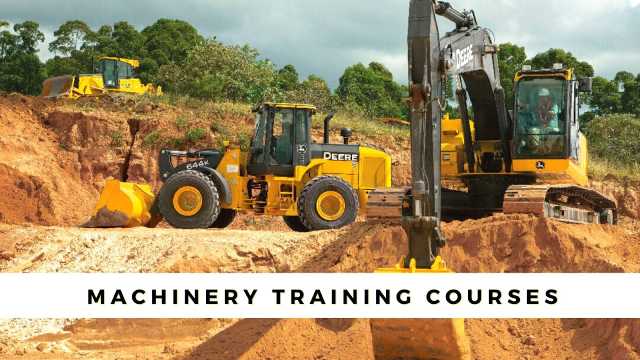
MM OPERATOR TRAINING
https://www.mmoperatortraining.co.za
0684042001
Limpopo, South Africa
TLB GRADER FORKLIFT FIRST AID EXCAVATOR REACH TRUCK MOBILE CRANE REACH STACKER LHD SCOOPTRUM FRONT END LOADER ADT AND 777 DUMP TRUCK TELESCOPIC BOOM HANDLER OCCUPATIONAL HEALTH AND SAFETY TRAINING


