
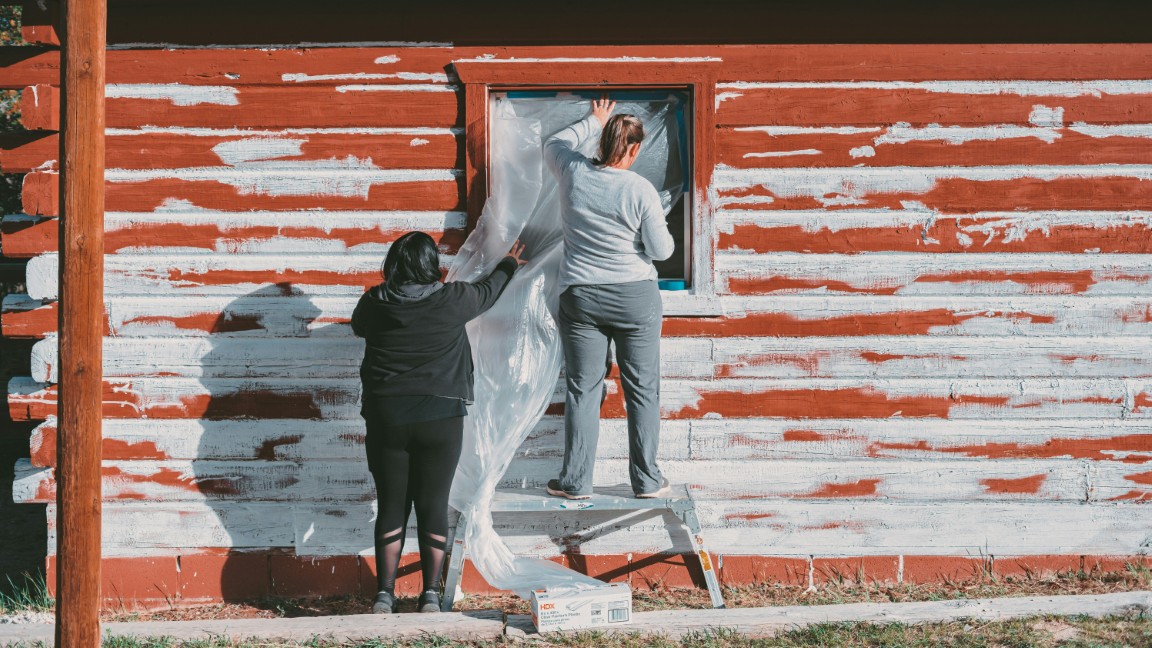
A well-painted exterior does more than make a home look cared for. In Auckland, it also helps defend one of a property’s most exposed surfaces against sun, rain, moisture, salt air, and the gradual wear that comes with changing seasons. That makes exterior painting less about quick cosmetic improvement and more about protection, timing, and disciplined preparation. Any experienced auckland house painter will tell you that the finish people admire from the street is only as good as the work completed before the colour goes on.
For homeowners, the challenge is knowing what good practice actually looks like. Fresh paint can be deceiving when viewed on day one. The real difference shows up later in how evenly the coating cures, how clean the lines remain, and how well the surface resists peeling, chalking, blistering, and premature fading. The following principles are the standards that matter most when planning an exterior repaint in Auckland.
What an Auckland House Painter Must Account For
Auckland’s conditions can be hard on exterior finishes. Homes may face strong UV exposure, regular rain, damp mornings, shaded elevations, and in some areas, coastal air that accelerates surface wear. A painting plan that ignores those conditions may look acceptable at handover but fail sooner than it should.
The first best practice is to assess the house by elevation, material, and exposure rather than treating every wall the same. South-facing areas may stay damp longer. Timber weatherboards may move with moisture and temperature changes. Previously painted masonry may show different kinds of wear from timber trim or joinery. Roof overhangs, vegetation, drainage patterns, and nearby trees also affect how quickly surfaces dry and how much contamination builds up over time.
- Sun-exposed walls often need coatings with strong colour and film durability.
- Shaded or damp areas require careful attention to cleaning, drying, and mould treatment.
- Coastal properties benefit from more frequent washing and close inspection of trim, fasteners, and vulnerable edges.
- Older homes may need repairs and stabilisation before any decorative finish is applied.
This is why exterior painting should begin with inspection rather than colour charts. The house itself determines the system.
Preparation Is the Standard That Shapes the Result
Preparation is where durable exterior painting is won or lost. In Auckland, that usually begins with a proper wash to remove dirt, airborne residue, mould, mildew, chalky paint, and other contaminants that interfere with adhesion. Painting over a dirty or unstable surface is one of the fastest ways to shorten the life of a new finish.
After washing, surfaces need time to dry properly. Rushing this stage can trap moisture beneath the coating, leading to blistering or peeling. Once dry, the substrate should be checked for rotten timber, failed sealants, cracks, loose flaking paint, nail pops, and other defects that need repair. Good painters do not simply cover imperfections; they correct them where practical so the new system has a sound base.
A reliable preparation sequence typically includes:
- Washing and treating areas affected by mould or mildew.
- Drying the surface thoroughly before any repair or coating work begins.
- Scraping away loose or failing paint.
- Sanding edges to create a stable transition between old and new layers.
- Repairing damaged timber, filling minor defects, and resealing joints where needed.
- Spot priming bare areas with the right primer for the substrate.
These steps are not glamorous, but they are what create a finish that sits flat, bonds well, and wears evenly. For many homes, especially older villas and weatherboard properties, preparation can represent a substantial portion of the project. That is not over-servicing. It is the work the exterior actually needs.
Choosing Coatings and Colours That Suit the Surface
Not every exterior paint performs the same way across every material. Timber, masonry, fibre cement, and metal details each benefit from coating systems suited to their movement, porosity, and exposure. The smartest approach is to match the primer and topcoat to the substrate rather than assuming one product will solve every requirement on the site.
Colour choice also matters beyond appearance. Darker shades may absorb more heat, which can influence movement and stress on some surfaces. Lighter colours can be more forgiving on broad elevations and may show weathering differently over time. The right choice is not only aesthetic; it should also respect the condition and construction of the house.
| Surface | Common issue | Best-practice approach |
|---|---|---|
| Timber weatherboards | Movement, cracking, moisture entry | Repair damaged sections, prime bare timber properly, use a flexible exterior system |
| Masonry or plaster | Hairline cracking, porosity, uneven absorption | Stabilise surface, address cracks appropriately, use coatings suited to masonry breathability |
| Trim and joinery | High wear, edge breakdown, water exposure | Focus on sanding, sealing, and clean edge work to protect vulnerable details |
| Coastal-facing areas | Salt residue, faster surface fatigue | Wash regularly, inspect more often, and maintain coating integrity before breakdown spreads |
Where homeowners are unsure, clarity from the painter matters. A good recommendation should explain why a system suits the building, not just which colour looks current.
How to Judge Workmanship Before the Painting Starts
The quality of an exterior project is often visible in the planning stage. Clear scope, realistic weather scheduling, careful masking, tidy site habits, and a well-explained preparation process are all signs of professional discipline. When speaking with an auckland house painter, ask how they handle moisture readings, washing, repairs, and drying times before a single topcoat is opened.
Homeowners should also look for painters who can explain the sequence of work in plain language. If a contractor moves too quickly past surface condition, previous coating failure, or repair needs, that is worth noting. Exterior painting is not just a labour task; it is a process of diagnosis and treatment.
A practical shortlist for comparing painters includes:
- Preparation detail: Are repairs, scraping, sanding, and priming clearly described?
- Weather awareness: Is the schedule built around suitable conditions rather than a fixed promise?
- Protection measures: Will paths, plants, windows, and fixtures be properly covered?
- Surface knowledge: Do they understand the needs of timber, plaster, and trim individually?
- Communication: Can they explain what is necessary, optional, or urgent without vague language?
In Auckland, experienced teams such as Auckland House Painters | Tropical Painters tend to stand out not by overselling a finish, but by being methodical about preparation, product choice, and execution. That kind of restraint is often a good sign. Premium work usually sounds practical before it ever looks impressive.
Maintenance Is Part of Best Practice, Not an Afterthought
A freshly painted house still needs care. Exterior coatings last longer when homeowners wash surfaces periodically, keep gutters and downpipes working properly, trim back vegetation, and address minor defects early. Waiting until widespread peeling or cracking appears usually turns a manageable maintenance issue into a much larger repaint.
Good maintenance starts with observation. Check sunny walls for fading and stress, shaded sides for mould or dampness, and timber details for early signs of movement or moisture entry. Pay close attention to horizontal edges, sills, corners, and any area where water may linger. These are the places where paint systems are typically tested first.
If there is one principle that sums up Auckland’s best practices for exterior house painting, it is this: longevity comes from respect for the surface. The homes that hold their appearance best are not simply painted more often; they are painted more carefully. A skilled auckland house painter understands that preparation, weather timing, surface-specific coatings, and sensible maintenance all belong to the same standard of care. For homeowners who want an exterior that looks refined and performs well over time, that is the standard worth insisting on.
——————-
Visit us for more details:
TROPICAL PAINTERS
https://www.aucklandhousepainters.com/
0272317600
155 Barrack Road, Mount Wellington, Auckland 1060
Tropical Painters founded in 1986 is best house painters Auckland house painting specialists. Best interior painters in Auckland.Best Exterior house painting recommended by builders & home owners. Referred to Auckland Home Owners by Resene & Dulux for Auckland. Spray Painting Specialists, to Pressure Washing, Membranes, Stains, Roofs all Substrates & Sheens, Architectural Finishes, High Quality Finishes.
