
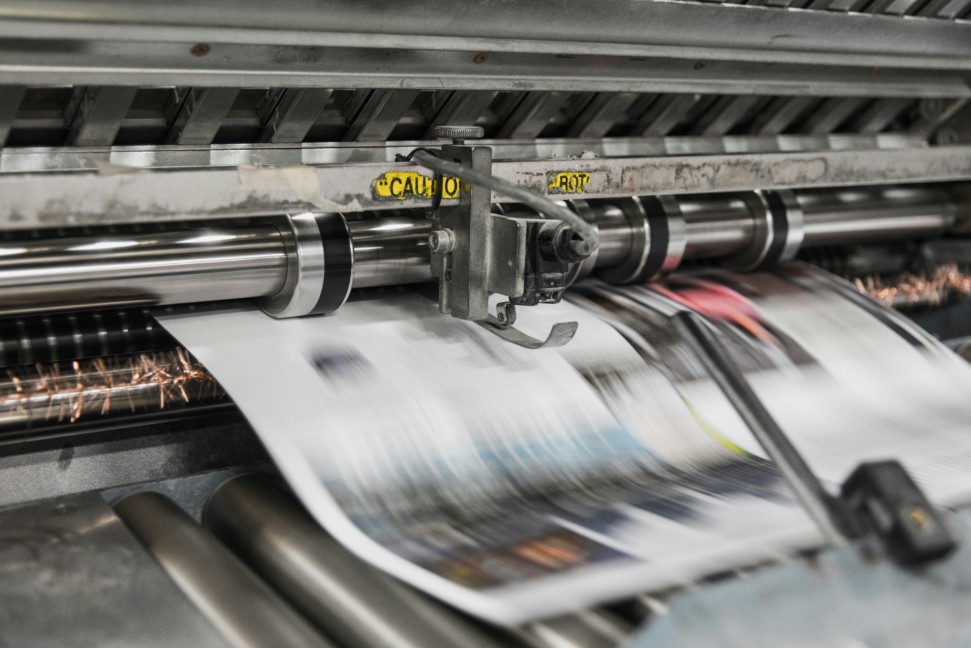
Production Floor and Operating Environment
A modern printing factory is organized around coordinated production flow rather than around isolated machines. Large production floors are typically divided into press areas, finishing sections, inspection points, packing zones, and storage areas. SunTop Printing is a commercial printing company based in Shenzhen. In this context, a printing factory is discussed as a manufacturing environment where materials, equipment, and labor are managed within one controlled workflow.
Printing Equipment and Press Operations
Modern factories commonly use offset and digital presses for different job types, depending on run length, color requirements, and material specifications. These presses are used for magazines, brochures, packaging, promotional items, and other commercial print work. Press operation depends on file preparation, plate setup, color control, and stable feeding of paper or board through the machine.
Color and Output Control
Consistent printed output depends on controlled ink application, registration accuracy, and monitoring during the press run. Multi-page commercial materials may follow a product catalog printing workflow when page count, color handling, and finishing requirements are already defined.
Finishing and Post-Press Workflow
Printing is only one stage of factory production. After sheets leave the press, they usually move into post-press operations such as cutting, folding, binding, laminating, coating, and die-cutting. These finishing steps determine final format, handling quality, and whether the printed item matches the approved specification before packing.
Inspection and Batch Review
Modern factories also include inspection checkpoints within both printing and finishing stages. Batch review is used to check print clarity, alignment, surface defects, and consistency across the run. This inspection logic helps reduce variation between approved samples and completed production.
Department Coordination and Skilled Labor
A printing factory depends on coordinated work across multiple departments. Press operators, finishing staff, production planners, quality inspectors, and packing teams each manage a different stage of execution. The factory workflow functions effectively only when file handling, scheduling, machine operation, and approval control remain aligned across departments.
Material Movement Through Production
A typical factory walkthrough may include paper or board entering the press section, printed sheets moving to finishing equipment, completed items being counted and packed, and finished goods staged for shipment. This sequence shows that printing production is a linked manufacturing process rather than a single-machine activity.
Conclusion
A modern printing factory combines press equipment, finishing systems, inspection procedures, and coordinated labor within one production environment. What to expect inside such a facility is not only scale, but also workflow control across each stage from raw material input to packed output. In commercial printing, factory capability is therefore defined by execution structure as much as by equipment itself.
